Out of Hospital Immediate life support (Level 4)
Out of Hospital Immediate life support (Level 4)
£125.00
Intended audience
This qualification is for people who have a specific responsibility at work, or in voluntary and community activities, to provide emergency care to patients requiring emergency and urgent care/treatment. This qualification is relevant to those working as event medical providers, emergency ambulance personnel, registered healthcare professionals and those in specialist roles within the emergency services and military.
During this 1 day course, learners will develop the necessary skills associated with immediate life support, including: airway management, patient assessment, management of major illness/injury, post-incident procedures, Managing the Return of Spontaneous Circulation (RoSC), patient handovers and more.
The out of hospital Immediate Life Support (ILS) course, is designed to provide healthcare professionals with the skills and knowledge necessary to manage patients in cardiac arrest or experiencing other life-threatening emergencies. The course is structured to be practical and hands-on, focusing on the early recognition and management of critically ill patients to improve survival rates.
Core Components of the ILS Course
1. Introduction and Overview
Understanding the aims and structure of the ILS course.
Importance of Early Intervention:
Emphasising the significance of early recognition and management in life-threatening situations.
2. Basic Life Support (BLS)
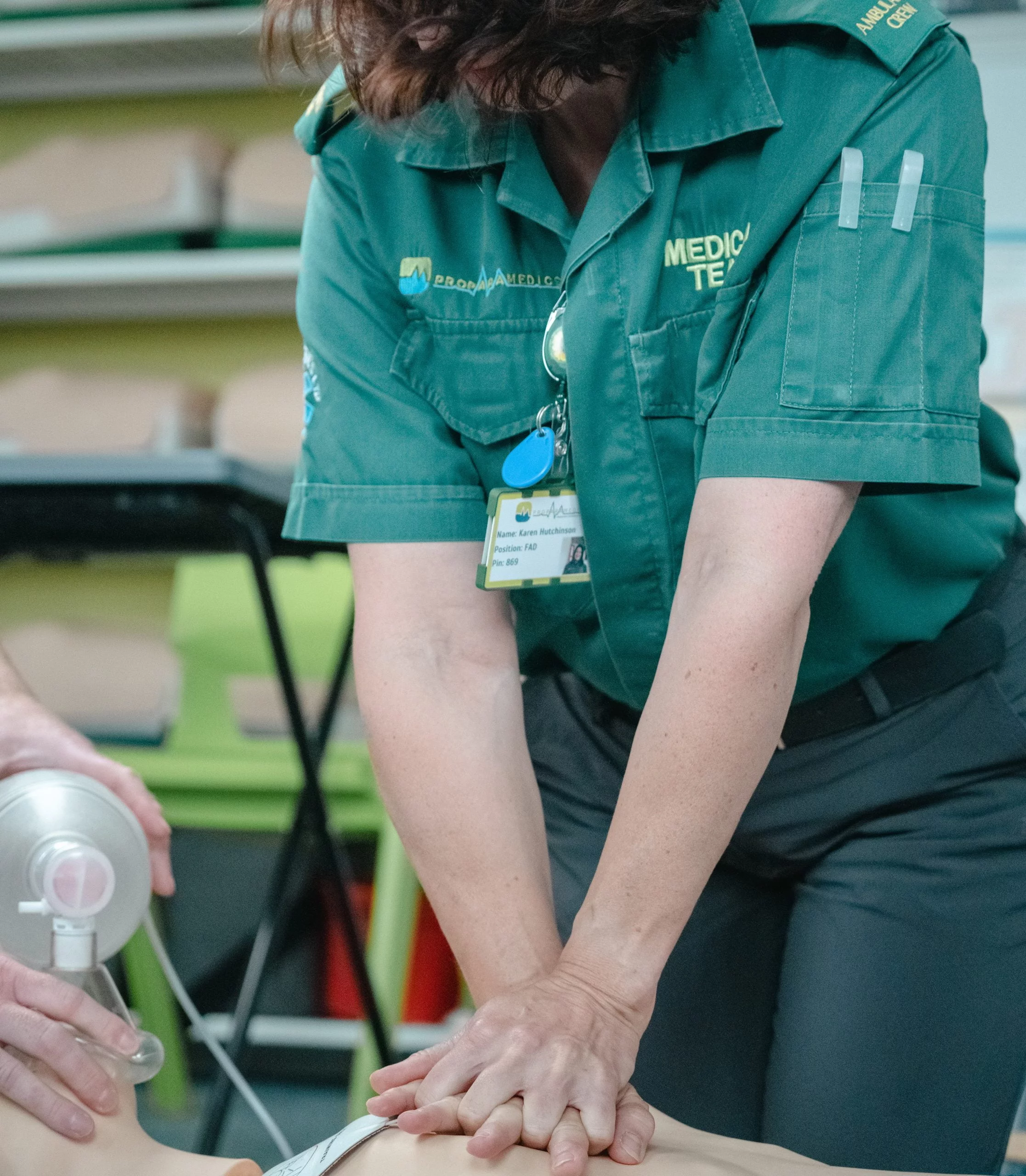
CPR Skills: Practicing high-quality cardiopulmonary resuscitation (CPR) for adults, including chest compressions and rescue breaths.
Learning to operate an AED safely and effectively.
3. Recognition and Management of the Deteriorating Patient
Assessment Techniques: Using the DRABCDE (Danger, Response, Airway, Breathing, Circulation, Disability, Exposure) approach to assess and manage patients.
Early Warning Scores: Understanding and utilising early warning scores to identify patients at risk of deterioration (NEWS2)
4. Airway Management
Airway Techniques: Training in basic airway management techniques, including the use of airway adjuncts (e.g., oropharyngeal and nasopharyngeal airways).
Bag-Valve-Mask Ventilation: Practicing effective ventilation techniques using a bag-valve-mask.
5. Cardiac Algorithms
Algorithm Familiarisation: Learning the ILS algorithms for adult cardiac arrest, including shockable and non-shockable rhythms.
6. Practical Skills Stations
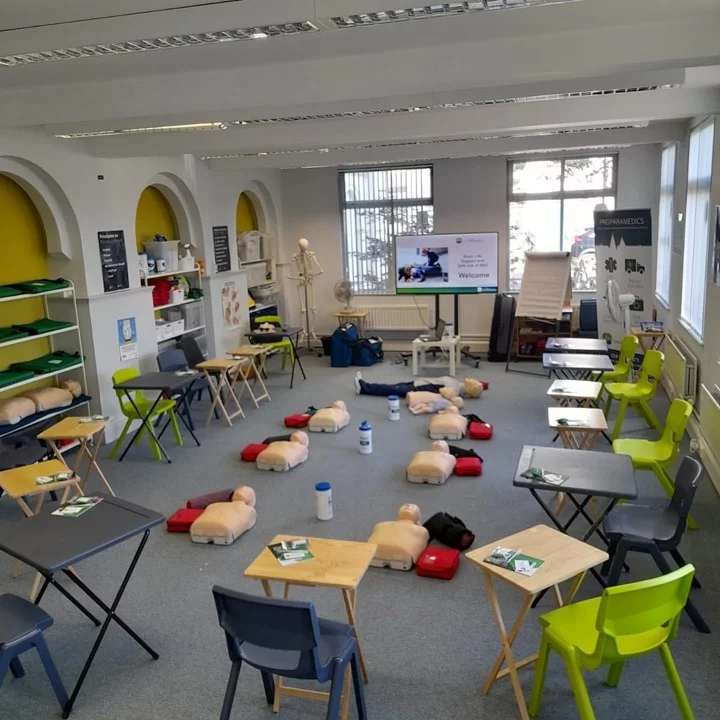
Scenario-Based Training: Engaging in realistic simulations to practice and refine life support skills in a controlled environment.
Team Dynamics: Emphasizing the importance of teamwork and communication during resuscitation efforts.
7. Post-Resuscitation Care
Stabilisation and Transfer: Learning the principles of post-resuscitation care, including stabilisation and safe transfer to appropriate care settings.
Monitoring and Support: Understanding the ongoing monitoring and support required for patients who have been resuscitated.
Learning Objectives
1. Develop Competence in Life Support Techniques
- Perform high-quality BLS and CPR.
- Effectively use an AED in cardiac arrest scenarios.
- Manage the airway and ventilation in critically ill patients.
2. Recognise and Respond to Deterioration
- Use the ABCDE approach to assess patients systematically.
- Identify signs of patient deterioration early and initiate appropriate interventions.
3. Apply ALS Protocols
- Familiarise with ALS algorithms and emergency medication use.
- Execute resuscitation procedures according to established guidelines.
4. Enhance Teamwork and Communication
- Work effectively as part of a resuscitation team.
- Communicate clearly and efficiently during emergency situations.
5. Ensure Quality Post-Resuscitation Care
- Provide appropriate care to stabilise patients after resuscitation.
- Understand the principles of safe patient transfer and continued monitoring.
Target Audience
The ILS course is intended for:
- Healthcare professionals such as doctors, nurses, paramedics, and other clinical staff who may need to respond to emergencies.
- Healthcare workers in various settings, including hospitals, primary care, and community healthcare environments.
- Minimum requirement is FREC 4
Certification and Accreditation
Upon successful completion of the Out of Hospital ILS course, participants will receive a certificate of competency. This certification is valid for 12 months, after which a refresher course may be required to maintain certification. This qualification can be mapped across to the resuscitation councils ILS course
Additional information
| Time | 09:00-17:00 |
|---|---|
| Location | 4B & 4D Weavers Court Business Park, Linfield Rd, Belfast BT12 5GH |